

Almost £200,000 worth of fuel stolen from UK forecourts every day since the Iran war began
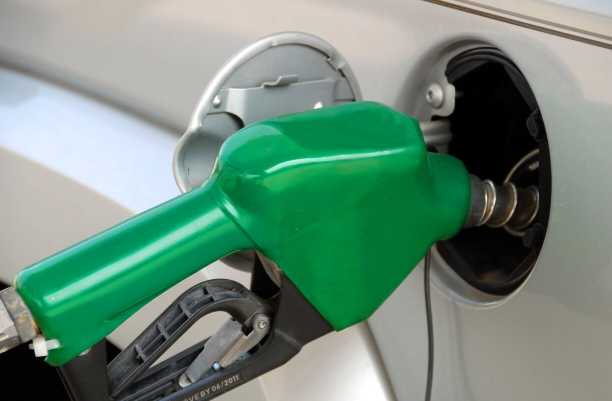
UK drivers have stolen almost £200,000 worth of fuel from petrol stations every day on average since the Iran war broke out and sent prices soaring, according to industry analysis.
Incidents of fuel being taken from forecourts without payment have risen by a fifth in the five months since 28 February, according to figures from Forecourt Eye.
The conflict in the Middle East severely disrupted oil supplies across the region, driving up wholesale prices and subsequently increasing costs at the pump in the UK.
Forecourt Eye said the value of stolen fuel is estimated to have risen by 48% compared with the five months before the war, reaching an estimated daily average of £194,000.
The fuel theft prevention company added that petrol stations are reporting an increase in “abuse, intimidation and violence from frustrated customers”.
The figures are based on a representative sample of 550 forecourts, comparing the five months before the outbreak with the five months after it began, and extrapolating the findings to the UK’s 8,359 forecourts.
The number of incidents recorded at the forecourts in the sample equates to an average of 2,872 incidents a day at forecourts across the UK in the months after the war began, up from around 2,400.
They include people driving away without attempting to pay, as well as people claiming they have no way to pay after filling their vehicle.
The volume of stolen fuel rose by 24%, from an estimated 87,000 litres to 108,900 litres a day across all forecourts.
In response, Forecourt Eye said it would partner with facial recognition company Facewatch to offer more than 2,000 retailers free access to crime-reporting technology from the autumn.
Fuel prices peaked in April, before falling back after the US and Iran agreed to a framework deal to end the conflict in June. However, prices have risen again since peace talks collapsed.
Last week, petrol reached a [new high since the conflict in the Middle East started] – and its highest level since 2022.
Forecourt Eye also reported a rise in [thefts after the Russia-Ukraine war broke out] in early 2022.
It comes after John Healey vowed at the weekend that the government would act on any price gouging linked to the Iran war.
The new chancellor told the Sunday Telegraph there was no significant evidence of this, but said he would be “watching closely” for any suggestion the public were being “taken for a ride at the pump or the till”.
Earlier this year, former Prime Minister Sir Keir Starmer and some of his ministers said the government would step in if customers were being ripped off by fuel retailers.
The remarks [led to a row.] Fuel retailers have denied accusations of price gouging, with the Petrol Retailers Association (PRA) criticising the government’s “inflammatory language”.
The Competition and Markets Authority said in May there was [no widespread evidence of price gouging] in the weeks after the conflict.
However, it said it was investigating why fuel margins increased between February and March for two supermarkets and three non-supermarket retailers.
The PRA was approached for comment on Healey’s remarks.
The British Retail Consortium said in response that competition between supermarkets had kept prices as low as possible, rather than government intervention.
It added that many of the additional costs pushing up prices had come from higher National Insurance contributions, increased packaging taxes and a failure to reform “outdated” business rates.
“Despite these pressures, retailers will continue to do everything they can to deliver great value for customers,” added Andrew Opie, BRC director of food and sustainability.