

Hundreds of thousands of women access the morning-after pill through a free pharmacy service.
Hundreds of thousands of women in England have used a free morning-after pill service since it was introduced in high street pharmacies last October, according to new NHS figures.
The scheme was launched to make emergency contraception easier to access, removing the need for women to book appointments with a GP or sexual health clinic.
Between October 2025 and March 2026, pharmacies dispensed almost 305,000 doses of the morning-after pill through the service.
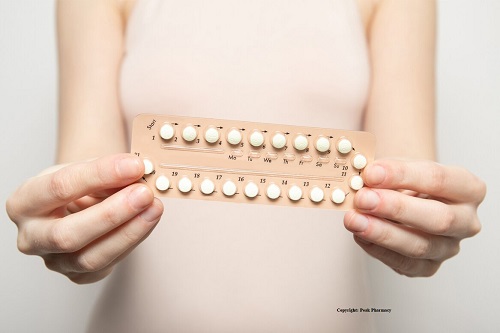
The figures also show growing demand for pharmacy-based contraception. The number of women seeking advice about starting the regular oral contraceptive pill more than doubled over the 12 months to February 2026, rising from around 50,000 to more than 115,000.
The morning-after pill is an emergency contraceptive that helps prevent pregnancy after unprotected sex. It works by delaying or preventing ovulation and is most effective when taken as soon as possible, although it can be used up to five days after unprotected sex.
Another emergency contraception option is an intrauterine device (IUD), or coil, which can be fitted by a doctor or nurse within five days of unprotected sex and is effective at any point in the menstrual cycle.
The government said offering the morning-after pill free through pharmacies would remove postcode differences in access and reduce barriers that previously meant some women struggled to obtain emergency contraception.
Under the service, women can receive a confidential consultation from a pharmacist or trained pharmacy technician before being given the medication during the same visit.
Previously, most women needed an appointment with a GP, sexual health clinic or pharmacy to obtain the morning-after pill on the NHS, although it was also available to buy privately.
In 2024/25, around 150,000 NHS prescriptions were issued for the morning-after pill—less than half the number supplied through the new pharmacy service in its first six months.
Dr Sue Mann, NHS National Clinical Director for Women’s Health, described the scheme as “a major step forward for women’s health”, saying it provides access with “no appointment, no waiting and no judgement”.
She said the service was already making a significant difference, particularly in more deprived communities, by bringing contraception closer to where women live.
Women can use the NHS website to find their nearest participating pharmacy. Pharmacists and pharmacy technicians delivering the service have received specialist training in emergency contraception and broader contraceptive care.